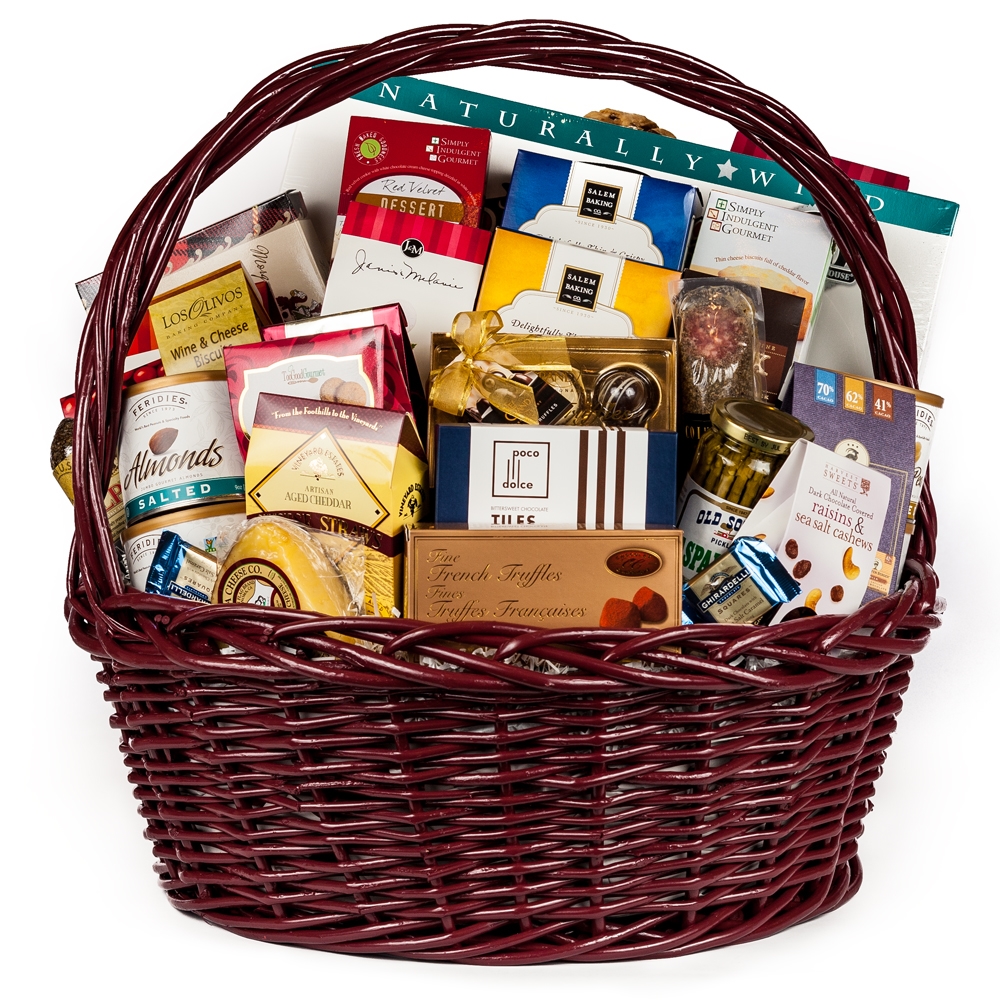
Few gifts whisper “I think you’re fabulous” as softly—or as expensively—as a hand-picked bottle of 2005 Pauillac. Now imagine that bottle arriving in a velvet-lined gift basket, flanked by artisanal cheese, truffle honey, and a digital certificate that lives forever on an immutable ledger. Welcome to the world of luxury wine gift baskets with blockchain provenance to prove authenticity, where the bow on top is cryptographic proof that what you’re holding is the real deal.
Why Authenticity Matters More Than the Price Tag
Wine counterfeiting is a billion-dollar headache. Empty bottles of Château d’Yquem are refilled in garages; labels are soaked off and reapplied with museum-quality precision. A single fake can turn a milestone anniversary into an awkward toast to gullibility. Blockchain—essentially a tamper-proof spreadsheet shared across thousands of computers—locks in every handshake the bottle has ever made: vineyard, cooperage, importer, retailer, and finally the ribbon on your gourmet hampers gift basket. Once the data is written, not even the most nimble fraudster can Photoshop it away.
What Exactly Is Inside a Blockchain-Verified Basket?
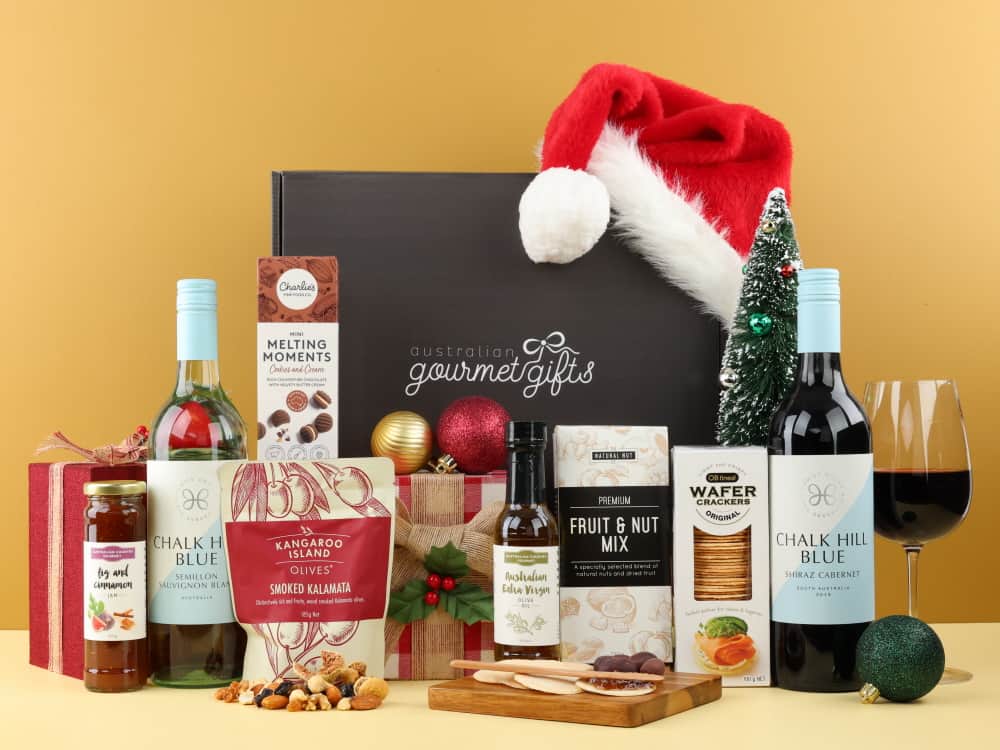
Picture a matte-black box delivered by white-glove courier. Inside:
- A flagship bottle (or magnum) tagged with an NFC chip that, when tapped with a phone, reveals its digital passport. Curated delicacies—think Ibérico ham, single-estate olive oil, micro-batch chocolate—each logged on the same blockchain ledger. A wax-sealed envelope containing a QR code and a cheeky note: “Trust us, but verify anyway.”
Every scan updates the custody chain, so the recipient sees the moment the basket left the truffle farm in Umbria and the nanosecond it crossed your doorstep. No smoke, no mirrors, just Merlot.
From Vineyard to Voucher: How the Tech Works (Sans Jargon)
At harvest, the winery uploads harvest metrics—grape sugar, pH, parcel number—to a blockchain node. A unique cryptographic hash is laser-etched onto a tamper-evident cap and linked to that data. Each time the bottle changes hands, the new steward scans the cap; GPS and time-stamp are added automatically. When the final recipient scans, the ledger shows an unbroken chain. If any entry is missing or mismatched, the app flashes red faster than you can say “corked.” The beauty? No PhD in computer science required—if you can open Instagram, you can authenticate Grand Cru.Choosing the Perfect Basket Without Drowning in Options
Shopping for luxury wine gift baskets with blockchain provenance to prove authenticity can feel like picking a private jet: everything looks shiny. Start with the recipient’s comfort zone. Napa Cab devotee? Look for cult producers like Screaming Eagle with blockchain capsules. Francophile? Opt for a Bordeaux vertical wrapped in vineyard-specific NFT artwork. Adventurous palate? A “blind basket” containing two blockchain-tagged bottles—one famous, one obscure—turns unboxing into a detective story.
Budget sweet spots land between $400 and $1,200. Below that, tech costs outweigh wine value; above that, you’re paying for rarity, not just security. And remember, shipping alcohol across state lines is a legal Rubik’s Cube; reputable sellers pre-clear permits so your gift doesn’t spend Christmas in a government warehouse.
A Quick Anecdote: When the Ledger Saved Lunch
Last August, a Manhattan hedge-fund manager sent a blockchain-verified 1996 Dom Pérignon basket to his London client for closing a nine-figure deal. Mid-celebration the client noticed the ledger showed a temperature spike en route. One panicked call later, the courier’s data logger revealed a broken refrigerated truck door. The seller overnighted a replacement and refunded six figures. Without the chain-of-custody alerts, the spoiled bottle might have been popped, the deal soured, and reputations corked. Sometimes geeky tech saves more than face—it saves friendships.
Gifting Etiquette in the Age of Digital Provenance
Do you mention the blockchain element in the card? Absolutely—just don’t lead with it. Try: “Here’s a bottle that traveled from hillside to handshake, tracked every step so you know it’s the real star.” Leave the QR code un-scanned until after the first pour; wine is still about romance, not RSA encryption. And if your recipient is a Luddite? Offer to walk them through the scan; most apps now work like Shazam, complete with congratulatory confetti when verification succeeds.
Rhetorical question: Isn’t it nice when the gift itself teaches the grandparent how to use their new smartphone?
Future Trends: Tokenized Ownership, Metaverse Tastings, and Beyond
Forward-thinking wineries are experimenting with “fractional NFTs,” letting gift recipients own 1% of a barrel, trade it, or redeem it for physical bottles. Imagine sending a basket containing a token plus a sample bottle; if the recipient loves it, they can claim the remaining case. Meanwhile, virtual vineyards host blockchain-verified tastings: scan your basket, don VR goggles, and clink glasses with the winemaker in a digitized barrel room—all while your real-world glass is exactly what the ledger says it is.
Light humor break: Yes, your avatar can now wear a smoking jacket and pontificate about tannins without ever risking purple teeth. Progress?
Sealing the Moment: Giving Confidence, Not Just Cabernet
Luxury wine gift baskets with blockchain provenance to prove authenticity do something conventional gifts can’t: they eliminate doubt. Every sip comes with the quiet confidence that what you taste is what you paid for, and what the label promises. In a market flooded with fakes, that certainty is the rarest vintage of all. So the next time you need to say thank you, congratulations, or simply “I’m glad you exist,” choose a basket that backs up your sentiment with immutable math. Tap, verify, toast—then watch the smile that no counterfeit could ever replicate. Ready to send one? Browse curated collections, compare chain-of-custody details, and click “gift wrap.” The ledger will handle the rest.